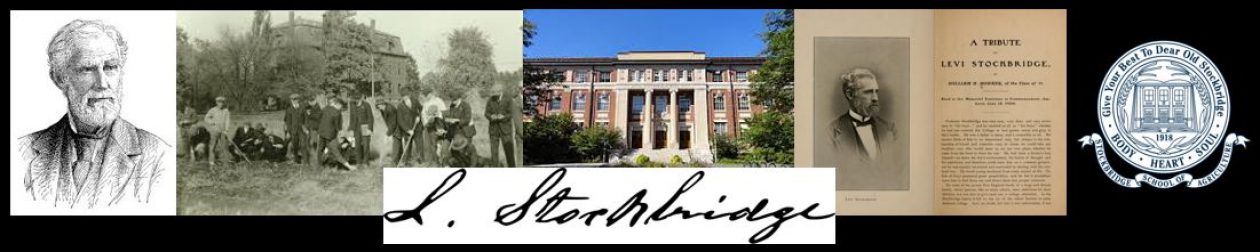

The following excerpt is taken from a 1913 tribute to Professor Levi Stockbridge by William H. Bowker, one of the students in the first 1867 class at Mass Aggie. In his 1904 eulogy he stated that had Stockbridge been born in the 20th century “he would have become, in the best sense of the word, a socialist.”
Definition of the word radical….. in a medieval philosophical sense, from Latin radicalis “of or having roots,” or “going to the origin” or “basic principles”.
Speaking with affection about Professor Stockbridge, William Bowditch states….
He was thoroughly and sincerely democratic. He had no love for an aristocracy, and especially no love for any kind of a ruling class whose power came from wealth (a plutocracy). In one of his class lectures he broke out one day with the remark, “no one should hog it all, no one has the right to more than a stated amount of property – for example, a million dollars.” Some years after when reminded of this remark he was asked how he would regulate the size of fortunes…. he Continue reading Stockbridge – a radical tradition
 The Fifteenth Annual Meeting of the State Board of Agriculture met “for lectures and discussions” in the Concord Town Hall from December 10-13, 1867. Thirty-three leading farmers from throughout the Commonwealth were chosen to attend by the many local Agricultural Societies.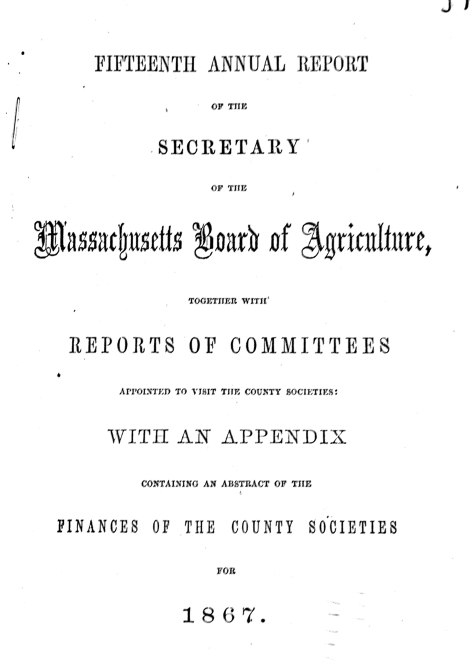
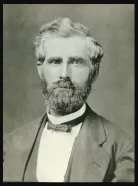

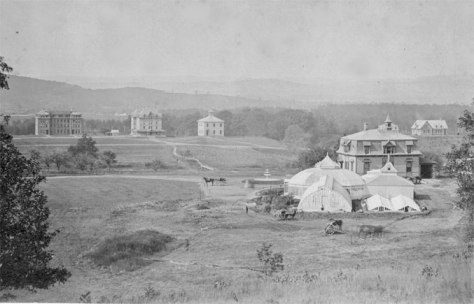
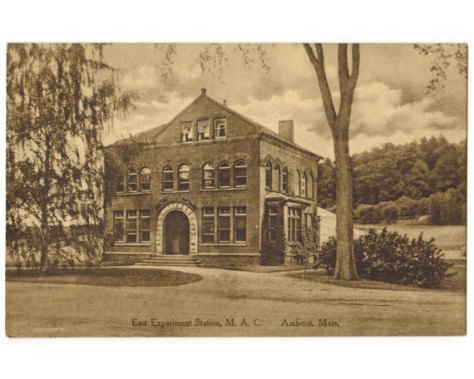
 Indeed, Levi Stockbridge and his colleagues were engaged in this debate 150 years ago. Professor Stockbridge wrote in his report to the Massachusetts Board of Agriculture in 1867, about the first class accepted into Mass Aggie…. “the plan was adopted, I say, that every young man who came there should work upon the land six hours in a week ; that the·whole class should work, upon the land, a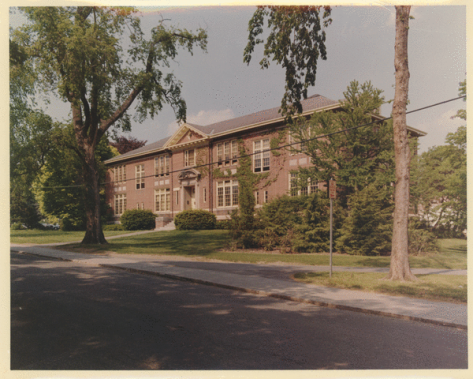

 Levi Stockbridge Lessons and Legacy